In today’s digital world, continuous power is crucial for businesses, homes, and industries. Power interruptions can lead to data loss, equipment damage, and productivity disruption. This is where UPS, or Uninterruptible Power Supply, comes into play. But what exactly does UPS power meaning entail? In this article, we will explore the concept, its components, types, applications, and frequently asked questions.
What is UPS Power?
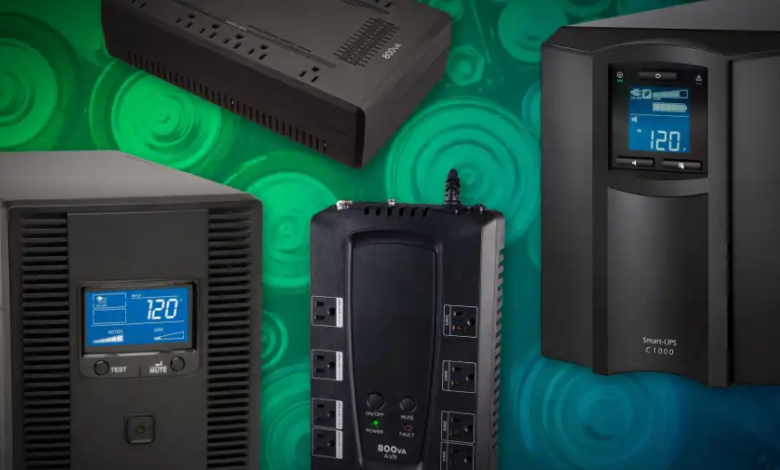
The term UPS power refers to the electrical power supplied by an Uninterruptible Power Supply device. A UPS is an electrical apparatus that provides backup power when the main power source fails. Its primary purpose is to ensure that sensitive electronic devices, like computers, servers, medical equipment, and communication systems, continue to operate without interruption during a power outage or fluctuation.
Essentially, UPS power acts as a safety net for devices that cannot afford sudden power loss. It temporarily supplies electricity to connected devices, giving users time to save their work and safely shut down equipment.
See also: Reverse Mortgage Explained: A Clear Guide for Homeowners
Components of a UPS System
A UPS system consists of several key components that work together to maintain continuous power:
- Battery: Stores energy to provide backup power during outages. Most UPS systems use lead-acid or lithium-ion batteries.
- Inverter: Converts stored DC (direct current) battery power into AC (alternating current) power used by electronic devices.
- Rectifier/Charger: Converts incoming AC power from the mains to DC to charge the battery.
- Automatic Transfer Switch (ATS): Instantly switches the load to battery power when a power failure is detected.
- Surge Protection: Safeguards devices from voltage spikes and electrical surges.
These components ensure a stable and reliable supply of power during unexpected outages.
Types of UPS Systems
There are several types of UPS systems, each designed for different needs:
- Offline/Standby UPS: Provides basic backup power and surge protection. It is suitable for home computers and small office equipment.
- Line-Interactive UPS: Offers better voltage regulation and is ideal for small to medium-sized business equipment. It can correct minor voltage fluctuations without switching to battery.
- Online/Double Conversion UPS: Continuously converts incoming AC power to DC and then back to AC. This type provides the highest level of protection and is used in data centers, hospitals, and industrial settings.
Each type ensures uninterrupted power but varies in response time, complexity, and cost.
Applications of UPS Power
UPS systems are used in various scenarios where continuous power is critical:
- Computers and IT Equipment: Prevents data loss and hardware damage during power outages.
- Medical Devices: Keeps life-support systems, ventilators, and critical monitoring equipment operational.
- Telecommunications: Ensures uninterrupted connectivity for phone lines and internet services.
- Industrial Machinery: Maintains production lines and automation systems in factories.
- Home Use: Protects home electronics and home office setups from sudden power interruptions.
The importance of UPS power is evident in any environment that relies heavily on electrical equipment.
Benefits of Using a UPS
- Prevents Data Loss: Allows saving work and performing controlled shutdowns during outages.
- Protects Equipment: Shields sensitive electronics from surges, voltage fluctuations, and spikes.
- Improves Power Quality: Stabilizes voltage and prevents damage caused by inconsistent power supply.
- Reduces Downtime: Ensures businesses and critical systems continue operating during blackouts.
Using a UPS can save both time and money while ensuring equipment longevity.
FAQs About UPS Power
Q1: What does UPS power mean in simple terms?
A: UPS power refers to the electricity supplied by an Uninterruptible Power Supply device to keep electronic equipment running during power interruptions.
Q2: How long can a UPS provide power?
A: The duration depends on the UPS capacity and connected load. Small UPS units may last a few minutes, while larger industrial systems can provide hours of backup.
Q3: Can a UPS replace a generator?
A: No, a UPS is designed for short-term power backup and protection against fluctuations. Generators provide long-term power during extended outages.
Q4: Is UPS only used for computers?
A: No, UPS systems protect any sensitive electronic equipment, including medical devices, communication systems, and industrial machinery.
Q5: What is the difference between online and offline UPS?
A: Offline UPS switches to battery only when a failure occurs, while online UPS continuously converts power to ensure seamless protection.
Conclusion
Understanding UPS power meaning is essential for anyone who relies on electronic equipment. A UPS ensures uninterrupted electricity, protects sensitive devices, and safeguards data against unexpected power issues. Whether for home use, business, or industrial applications, investing in a reliable UPS system is a smart decision for maintaining efficiency and preventing costly downtime.
UPS power is not just a backup; it’s a shield that ensures continuity, stability, and security in an increasingly digital and power-dependent world.