Introduction to Reverse Mortgages
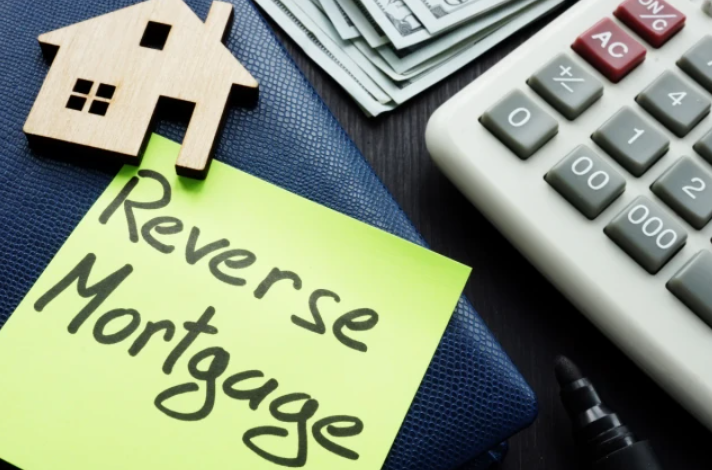
A reverse mortgage is a loan product that allows eligible homeowners to access a portion of the equity in their property without needing to sell or move. It is most commonly used by older homeowners who want additional financial flexibility during retirement. Understanding how a reverse mortgage works is important for assessing whether it fits your long term goals and financial plans. Many homeowners begin their research through resources that explain the fundamentals of a reverse mortgage to gain clarity on how the product functions and what it offers.
What Is a Reverse Mortgage
A reverse mortgage is a type of home equity loan that enables homeowners to borrow money using their property as security. Unlike a traditional mortgage, borrowers do not need to make regular repayments as long as they live in the home and meet ongoing loan obligations. The loan is repaid later, usually from the proceeds of selling the home.
How It Differs From a Regular Mortgage
A regular mortgage requires scheduled repayments. A reverse mortgage does not. Instead, interest is added to the loan balance, and the total amount increases over time. The borrower continues to own the property during the entire loan term, and repayment is triggered when specific conditions occur.
Key Loan Structure Components
A reverse mortgage can be set up in several ways. Borrowers may receive funds as a lump sum, regular instalments, a cash reserve similar to a line of credit, or a combination of these options. Flexibility in structure allows the loan to be tailored to personal needs and retirement goals.
Eligibility Requirements for Homeowners
To apply for a reverse mortgage, homeowners must meet specific eligibility criteria set by lenders. These requirements help lenders assess risk and ensure the loan is appropriate for the borrower’s situation.
Age and Ownership Conditions
Reverse mortgages are typically available to older homeowners who meet minimum age requirements. The property used as security must be owned by the borrower, and it must be the primary residence. Ownership status and age greatly influence the amount that can be borrowed.
Property Criteria and Valuation
Lenders evaluate the property to ensure it meets their lending guidelines. Factors such as location, condition, and market value play important roles. Homes in stable or high demand areas often qualify for higher borrowing limits because they hold their value more reliably.
How Reverse Mortgages Work
A reverse mortgage allows homeowners to access equity while deferring repayment. The loan balance rises over time because interest is added to the amount borrowed.
Borrowing Capacity and Loan Limits
The amount available from a reverse mortgage depends on the homeowner’s age, the property value, and lender policy limits. Older borrowers can typically access more equity because the expected duration of the loan is shorter.
How Interest Accumulates Over Time
Interest compounds on the outstanding balance. Since borrowers are not required to make repayments, the loan grows steadily. Understanding how interest impacts the long term loan balance helps homeowners plan for future financial needs.
Repayment Conditions and Triggers
The loan becomes repayable when the home is sold, when the borrower moves permanently, or upon the borrower’s passing. The repayment is usually made from the property sale proceeds. If the sale amount does not cover the full loan balance, protections may apply to prevent borrowers from owing more than the home’s value.
See also: Treat Yourself without Breaking the Bank: Budget Massage Tips
Benefits of Reverse Mortgages
Reverse mortgages offer distinct advantages for homeowners seeking financial stability and flexibility in retirement.
Continued Residence in the Home
Borrowers can stay in their home as long as loan obligations are met. This allows seniors to retain independence and avoid the need to relocate.
Access to Home Equity Without Selling
Homeowners can convert a portion of their property value into cash without giving up ownership. This helps support retirement expenses, home modifications, or general living costs.
No Required Monthly Repayments
The absence of mandatory repayments helps homeowners manage their finances without the burden of monthly loan commitments. Borrowers may choose to make voluntary payments if they want to slow the growth of the loan balance.
Potential Risks and Important Factors to Consider
While reverse mortgages offer advantages, they also come with responsibilities and risks that must be understood before applying.
Declining Home Equity Over Time
As interest compounds, the loan balance increases. This reduces the remaining equity in the property, which may affect future plans such as downsizing or leaving an inheritance.
Impact on Government or Financial Benefits
Depending on how funds are used, certain benefits may be affected. Homeowners should review eligibility requirements to understand how a reverse mortgage may influence entitlements.
Costs and Fee Structures
Reverse mortgages may include establishment fees, property valuation charges, and ongoing account fees. Homeowners should compare lender options to understand the full cost of borrowing.
Legal and Consumer Protections for Borrowers
Australian regulations include important safeguards to protect reverse mortgage customers.
No Negative Equity Guarantee
This protection ensures borrowers will never owe more than the value of their home when it is sold. It prevents debt from exceeding property value, which protects the borrower and their estate.
Requirement for Professional Advice
Many lenders require applicants to obtain independent legal and financial advice. These requirements ensure borrowers fully understand the terms and implications of the loan.
How to Choose a Reverse Mortgage Provider
Choosing the right provider requires comparing interest rates, loan conditions, borrower protections, and overall support. Many homeowners prefer using experienced brokers from seniors first reverse mortgage to evaluate options and navigate the application process with clarity.
What to Evaluate When Comparing Providers
Interest rates, loan flexibility, available draw options, and additional protections are key factors when choosing a lender. Borrowers should also review customer support quality and how clearly the lender explains loan terms.
Questions to Ask Before Applying
What is the interest rate and how is it calculated. What fees apply. Does the loan include a No Negative Equity Guarantee. What repayment options are available. Answers to these questions help homeowners decide if a reverse mortgage suits their needs.
Responsible Use of a Reverse Mortgage
Using a reverse mortgage responsibly ensures long term financial security and allows homeowners to preserve equity as much as possible.
Planning for Long Term Financial Stability
Borrowers should consider future housing needs, estate plans, and how the loan may affect personal financial goals. Careful planning helps ensure that funds are used in a sustainable and beneficial way.
Conclusion
A reverse mortgage provides homeowners with a practical way to access home equity while continuing to live in their property. It offers financial flexibility without the need for regular repayments, but it also requires a clear understanding of interest growth, fees, and long term effects on equity. By learning how the loan works, comparing lenders carefully, and seeking independent advice, homeowners can make confident decisions about whether a reverse mortgage aligns with their retirement and financial objectives. If approached thoughtfully, this loan type can support long term security and provide additional comfort during retirement.