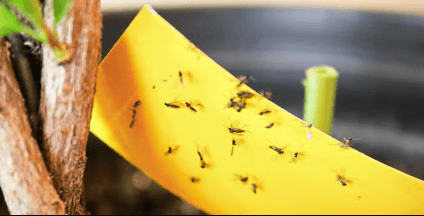
Gnats can be a persistent nuisance in any rental property, especially in high-traffic areas like bathrooms. As a landlord, addressing this issue promptly is crucial, not only for maintaining the property but also for ensuring tenant satisfaction. Let’s explore effective strategies to manage gnats in bathroomenvironments and prevent them from becoming an ongoing problem.
Understanding the Gnat Problem
Gnats are small flying insects often mistaken for other pests like fruit flies. They are particularly attracted to moist environments and organic matter, which makes bathrooms a common breeding ground. If you find gnats in sink drainor elsewhere in the bathroom, it’s likely due to dampness or organic buildup.
Causes of Gnats in Bathrooms
You might wonder, “Why are there gnats in my bathroom?” The answer often lies in:
- Moisture: Bathrooms are inherently damp due to frequent water usage.
- Organic Matter: Hair, soap scum, and skin cells can accumulate in drains, providing a rich breeding ground.
- Standing Water: Even minor leaks or stagnant water in plant trays can attract gnats.
Identifying Gnat Infestations
Discovering gnats in your property can be unsettling. Identifying the source early is key to efficient removal. Check these areas:
- Sink drains: Organic buildup can cause gnats in sink drain.
- Shower and bathtub drains: Like sinks, these areas can harbor organic debris.
- Plant pots: Overwatered plants near bathrooms can contribute to the problem.
- Trash cans: Forgotten or improperly disposed of garbage can become a magnet for gnats.
See also: Reverse Mortgage Explained: A Clear Guide for Homeowners
How to Get Rid of Gnats in the Bathroom
So, how to get rid of gnats in bathroom?Once you’ve identified the source, it’s time to eliminate the pests. Here are some practical steps:
Eliminate Breeding Grounds
Start by removing the conditions that attract gnats. Clean out drains using a combination of boiling water and drain cleaner to break down organic buildup. Ensure standing water is removed and leaks are fixed, preventing a damp environment for gnats to thrive.
Use Traps and Cleaning Solutions
Making simple traps can effectively capture gnats already present. A mix of apple cider vinegar and dish soap in a bowl covered with plastic wrap with tiny holes can attract and trap gnats. Additionally, using commercial drain cleaners can help maintain a clean and gnat-free drainage system.
Professional Pest Control
If DIY methods don’t yield the desired results, consider hiring professional pest control services. This might be necessary for severe infestations or when the problem affects habitability. Professionals can offer targeted solutions and ensure long-term removal.
See also: Reverse Mortgage Explained: A Clear Guide for Homeowners
Preventing Future Gnat Issues
Prevention is the best cure. Here’s how you can minimize the risk of future infestations:
- Water plants appropriately: Overwatering can lead to standing water, which attracts gnats. Allow soil to dry between waterings.
- Clean drains regularly: Routine cleaning prevents organic buildup, a haven for gnats.
- Dispose of garbage properly: Ensure trash is taken out regularly to avoid attracting pests.
- Seal entry points: Cracks or small openings around windows and doors should be sealed to prevent gnats from entering.
Are Gnats a Landlord or Tenant Responsibility?
Understanding responsibility is crucial. Generally, tenants are accountable if their actions, such as uncleanliness, attract pests. However, landlords need to intervene if the problem predates the tenant or affects property habitability. Clear clauses in the lease agreement regarding pest responsibilities can prevent misunderstandings.
Conclusion
Handling and preventing gnat infestations is a critical aspect of property management. By understanding causes, taking decisive action, and implementing preventative strategies, you can ensure your rental properties remain gnat-free. This not only protects your investment but also enhances tenant satisfaction, reinforcing your reputation as a responsible and proactive landlord.