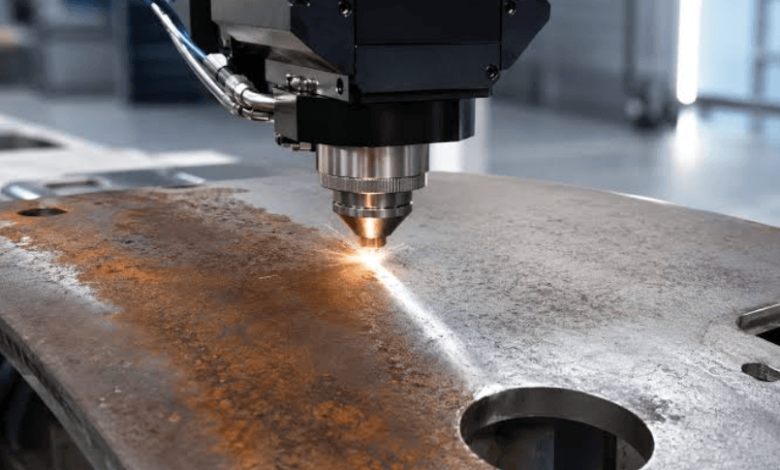
Pulse laser cleaning technology has found its way into a wide range of industrial applications over the past several years, largely due to its combination of precision, controlled heat management, and reduced waste compared to traditional cleaning methods. Understanding where this technology tends to get used in practice helps clarify why it has become a genuinely valuable tool across several different industries rather than a niche solution for one specific problem.
Precision Manufacturing and Component Cleaning
Manufacturing processes that involve precision components, whether in aerospace, electronics, or medical device production, often need cleaning methods that will not damage or alter the exact dimensions and surface characteristics the component depends on for proper function. Pulse laser cleaning offers the kind of controlled, targeted approach needed for this kind of precision work, removing contaminants or oxidation without the risk of dimensional changes that more aggressive cleaning methods could introduce.
Mold and Tooling Maintenance
Manufacturing facilities that rely heavily on molds and tooling need regular maintenance to remove buildup and contamination without affecting the precise surface finish the mold depends on for producing consistent, high quality parts. Pulse laser cleaning has become a common solution for this kind of maintenance work specifically because of its ability to clean thoroughly while preserving the exact surface characteristics the tooling requires to continue performing properly.
Aerospace Component Maintenance
Aerospace applications often involve components with extremely tight tolerances and strict material integrity requirements, where traditional abrasive cleaning methods carry real risk of introducing damage or altering critical dimensions. Pulse laser cleaning has become particularly valuable in this industry for maintenance and restoration work on components where precision and material preservation are genuinely non negotiable requirements rather than nice to have considerations.
Weld Preparation and Post Weld Cleaning
Proper welding requires clean base material free of contamination, oxidation, or coatings that could compromise weld quality. Pulse laser cleaning has become a practical option for both pre weld surface preparation and post weld cleaning, offering a controlled approach that avoids introducing new contaminants into the process while still thoroughly preparing or cleaning the relevant surface areas.
Historical Restoration and Conservation Work
Museums, conservation specialists, and restoration professionals working on historical artifacts, sculptures, and architectural elements have increasingly turned to pulse laser cleaning because of its ability to remove accumulated grime, corrosion, and unwanted coatings without damaging fragile or historically significant original material underneath. This precision matters enormously in conservation work, where preserving as much original material as possible is often central to the entire purpose of the restoration effort.
Rubber and Composite Mold Cleaning
Industries that rely on rubber or composite molding processes often deal with residue buildup that can affect the quality and consistency of finished products. A pulse laser cleaning machine can address this residue buildup effectively while avoiding the kind of surface damage that more abrasive cleaning approaches might introduce to mold surfaces that need to maintain very specific dimensional accuracy.
See also: Business Insights Tracker Notes About Modernbusinesslife .Com and Monitoring Logs
Recognizing the Common Thread Across These Applications
Across all of these different industries and use cases, the common factor driving adoption of pulse laser cleaning is a genuine need for precision and material preservation that traditional cleaning methods struggle to reliably deliver. Recognizing this common thread helps identify whether a specific application genuinely calls for pulse laser technology, or whether a simpler, less precision focused cleaning method might serve the purpose just as well at lower cost and complexity.
None of these applications require guessing whether the technology is a good fit. Talking through the specific precision and material requirements of a given task with someone experienced in laser cleaning tends to make the right choice fairly clear fairly quickly, rather than requiring extensive trial and error to figure out after equipment has already been purchased. That kind of upfront conversation tends to save real time and money in the long run.