A packaging line rarely deals with just one product size forever. Catalogs expand, seasonal packs get introduced, and multipacks get bundled alongside single units to meet different retail demands. This creates a genuine challenge for any business relying on packaging equipment that can only handle one fixed configuration, which is part of why versatility has become such an important factor when choosing a cellophane overwrapping machine.
Single Units and Multipacks From the Same Line
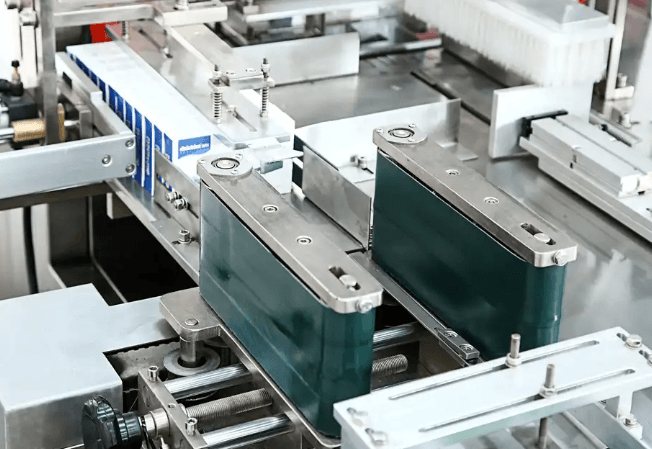
Some products sell as a single boxed item, while others are bundled into multipacks, whether that is a set of household items sold together or several smaller boxes grouped into one larger wrapped pack for retail display. Handling both scenarios well typically requires a collating system built into the machine, capable of gathering multiple cartons or pouches together before the wrapping and sealing stage begins.
This matters more than it might sound, since collating and wrapping thousands of grouped units consistently is a different mechanical challenge than wrapping single boxes one at a time. A machine that only handles one configuration forces a business to either invest in separate equipment for each pack type or compromise on how products are bundled for retail, neither of which is ideal for a growing catalog.
Adjustable Sizing Without a Full Retooling
Fast and simple size alteration is another piece of this puzzle. When a product’s dimensions change, or a new item with different packaging needs gets added to the lineup, the last thing a business wants is a machine that requires extensive retooling or a lengthy technician visit just to adjust to a new box size. Equipment designed with adjustable sizing in mind allows a production team to reconfigure the machine relatively quickly, keeping downtime between product runs to a minimum.
JOCHAMP’s cellophane overwrapping machine lineup is built around exactly this kind of flexibility, with the company describing features like fast size alteration, a collating system capable of handling large volumes of cartons or pouches in a single operation, and a broad range of wrap packaging capability across different product types. For a business that regularly introduces new pack sizes or seasonal variations, this kind of built in flexibility tends to matter just as much as raw speed.
See also: Business Insights Tracker Notes About Modernbusinesslife .Com and Monitoring Logs
Different Sealing Methods for Different Materials
Versatility also extends to sealing method. Some products and materials respond better to cold sealing, others to heat sealing, and some situations call for hot melt or glue based sealing systems instead. A machine that only supports one sealing approach limits what kind of products and materials it can actually be used for down the line, which becomes a real constraint the moment a business wants to diversify its packaging materials or introduce a new product category.
Having access to multiple sealing options within the same base machine, even if only one is used regularly, gives a business room to adapt without needing an entirely new piece of equipment every time packaging requirements shift even slightly.
Why This Flexibility Pays Off Over Time
Buying equipment that only fits today’s exact product lineup is a common mistake, mostly because it feels like the cost effective choice in the moment. The problem shows up later, when a business needs to add a new pack size or bundle configuration and discovers the existing machine simply cannot accommodate it without significant modification or outright replacement.
A cellophane overwrapping machine built with adjustable sizing, multiple sealing options, and genuine collating capability tends to serve a business for years longer than one bought purely to match a single product’s dimensions. Packaging needs rarely stay static for long, and equipment that can bend with those changes, rather than forcing a business to work around its limitations, ends up being the more practical investment even if it was not the cheapest option on the table at the time of purchase.