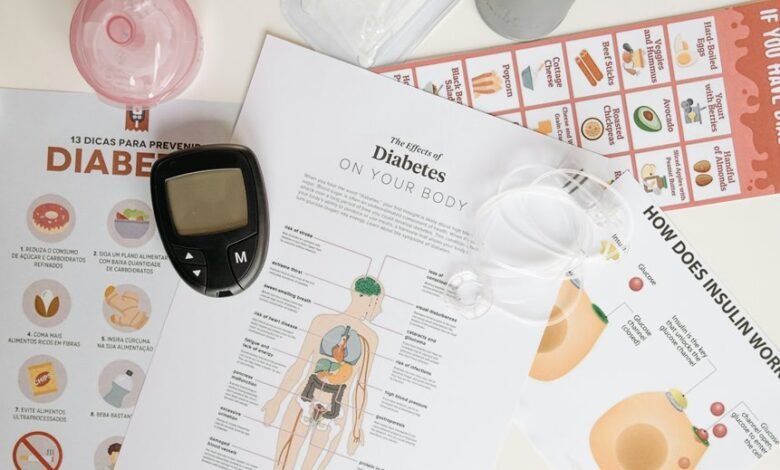
Health monitoring documentation is essential in addressing the Cure Pispulyells challenge. It offers a systematic method for tracking symptoms and treatment responses. This structured approach not only enhances patient safety but also promotes engagement through feedback records. By analyzing these insights, healthcare providers can make informed decisions that cater to individual needs. Yet, the question remains: how can effective documentation practices further transform patient outcomes in this context?
Understanding the Cure Pispulyells Challenge
Although the Cure Pispulyells Challenge may appear to be a niche concern, it represents a significant issue within the broader context of health monitoring.
The challenge encompasses various pispulyells symptoms, which can greatly impact individual well-being. Understanding these symptoms is crucial for identifying effective treatment options, enabling individuals to take control of their health and pursue optimal outcomes in their personal health journeys.
The Importance of Health Monitoring Documentation
Health monitoring documentation plays a pivotal role in the effective management of individual health, as it provides a structured framework for tracking symptoms, treatments, and outcomes.
This documentation enhances patient safety by ensuring that all health-related data is accurately recorded and easily accessible.
Furthermore, the emphasis on data accuracy fosters informed decision-making, ultimately empowering patients and healthcare providers to optimize treatment strategies and improve health outcomes.
Analyzing Feedback Records for Improved Patient Outcomes
Analyzing feedback records is essential for enhancing patient outcomes, as it enables healthcare providers to identify trends, assess treatment effectiveness, and address patient concerns.
This feedback analysis fosters patient engagement, allowing individuals to voice their experiences and preferences.
Strategies for Effective Documentation Practices
Effective documentation practices are crucial for ensuring accurate communication and continuity of care within healthcare settings.
Implementing standardized templates enhances effective communication among providers, while adopting electronic health records streamlines processes, reducing errors and improving accessibility.
Regular training sessions for staff on documentation protocols further fortify these practices.
Conclusion
In conclusion, the integration of health monitoring documentation and feedback records serves as a cornerstone in addressing the Cure Pispulyells challenge. By systematically tracking symptoms and treatment responses, healthcare providers can illuminate the path to better patient outcomes. As the adage goes, “knowledge is power”; thus, empowering patients through meticulous documentation and active engagement fosters a more responsive healthcare system. Ultimately, this collaborative approach not only enhances individual care but also enriches the broader tapestry of public health.